What Is Industrial Remediation and Why Is It Important?
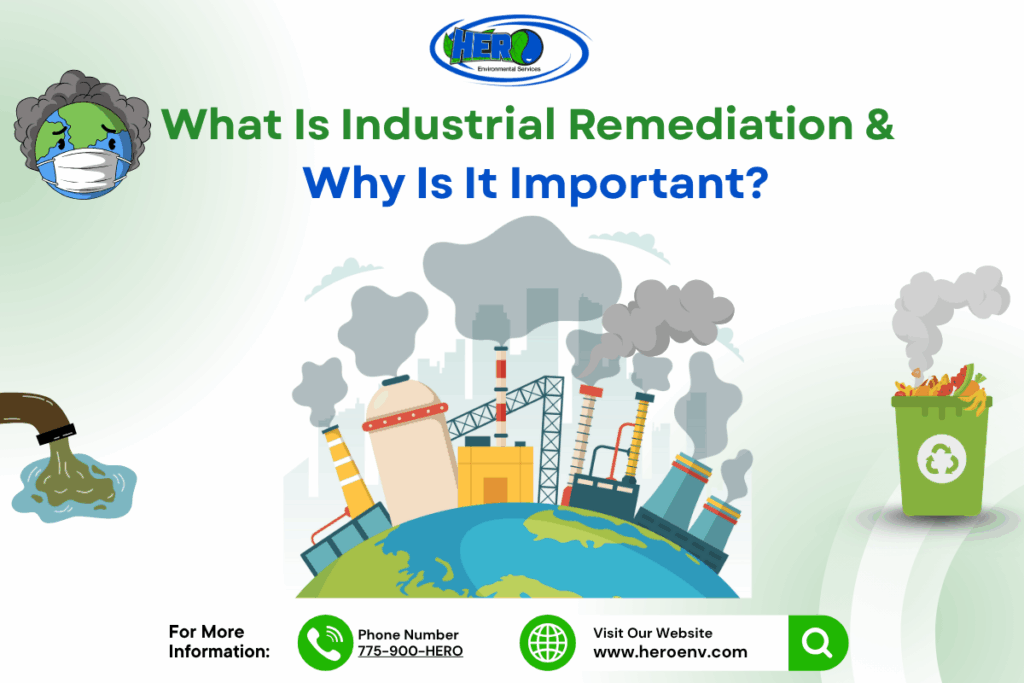
Industrial pollution can harm your land or water. Hence, it is important to remove these pollutants using remediation methods. This protects ecosystems and restores sites for safe use. Hero Environmental in Reno uses advanced cleanup methods to stop contamination from spreading, keeping your community and environment safe for the future.
You know what they say – an ounce of prevention is worth a pound of care. That couldn’t be more true when it comes to managing pollution from industrial sites. The leftover chemicals, heavy metals, and other hazardous materials from manufacturing plants and factories can contaminate the soil and groundwater, and they even affect the air we breathe.
They don’t remain constrained to a particular place. They spread! Hence, containment and remediation become a necessity. But, it should only be done by experts.
For example, an industrial remediation service in Reno addresses these issues, offering targeted solutions to clean up the site and prevent further damage. If you’re wondering why it is important to get industrial remediation done, this blog is for you!
| Book A Call |
What Is Industrial Remediation?
Industrial remediation is the process of cleaning up pollution caused by industrial activities, like factories or chemical plants, that contaminate soil, water, or air. It uses various methods to remove or neutralize harmful substances, such as heavy metals, oils, or chemicals.
The goal is to restore the environment to a safe, usable state, protecting people’s health and the natural surroundings.
How Does Industrial Remediation Services Work?
Contractors specializing in industrial remediation services in Reno follow a well-structured process to address contamination. They mostly deal with a comprehensive site assessment, where specialists collect and analyze samples of soil, water, and air to determine the type, location, and extent of pollution.
Once the contaminants are identified, the company creates a customized remediation plan. This may involve techniques such as –
- Containment
- Soil Excavation
- Thermal Desorption
- Chemical Treatment
- Bioremediation (using natural organisms)
Groundwater may also be treated using pump-and-treat systems or filtration. Throughout the process, strict regulatory guidelines are followed to ensure public health and environmental safety.
After remediation, the site is tested again to confirm that contaminants have been removed or reduced to acceptable levels, making the land safe for future use.
Common Industrial Contaminants & Their Source
While playing a big role, industries leave behind some serious pollution if not managed properly. Harmful substances can get into the soil, water, and air through –
- Accidental Spills
- Everyday Operation
- Poor Waste Handling
Hence, it is important to understand where these pollutants come from. This helps the clean-up team choose the right method. It also helps industries avoid committing the same mistakes again. Here are some major industrial contaminants and their sources –
| Contaminants | Source |
| Lead | Metal processing, battery manufacturing |
| Arsenic | Wood preservation, pesticide production |
| Mercury | Mining, coal combustion |
| Asbestos | Construction materials, insulation in older buildings |
| Petroleum Hydrocarbons | Oil refineries, fuel storage |
| Volatile Organic Compunds | Paints, chemical manufacturing |
| PCBs (Polychlorinated Biphenyls) | Electrical equipment, industrial coolants |
Importance Of Industrial Cleaning & Remediation Services
Here’s why industrial remediation is of such great importance –
Restores Site Health And Ecological Balance
A polluted industrial site can harm plant life, disrupt microbial activity, and compromise biodiversity. That’s why remediation services are important to detoxify the soil and water. Thus restoring their physical and chemical balance. This measure helps native vegetation regrow and creates conditions for wildlife to return.
Protects Groundwater And Water Integrity
The contaminants from industrial operations often seep into groundwater or run off into nearby rivers and lakes. This disrupts aquatic life and renders the water unsafe for consumption or agricultural use. Remediation services prevent this mishap by removing or isolating pollutants before they reach the water bodies.
Prevents Contamination Migration
Contamination can spread, and that’s one of the most dangerous aspects of it. These pollutants can migrate far beyond their original site and affect other properties or ecosystems. Hence, intervention becomes a necessity, and industrial remediation services focus on cleaning and stabilizing the contaminants early.
Enables Safe Redevelopment Of Contaminated Land (Brownfields)
Brownfield, another name for contaminated land, is unusable because of the pollutants that linger around. Remediation aims to clean these underutilized and abandoned areas for redevelopment. Thus reducing urban sprawl and preserving underdeveloped green spaces.
Improves Soil Function And Fertility
Toxic waste can disrupt the microbial life and structure of the soil. Thus making it biologically inactive or chemically hostile. Industrial remediation removes the visible waste, but that’s not just it! It also targets deep-seated pollutants that affect the health of the soil. Thus supporting vegetation growth and preventing erosion.
Support Climate Adaptation And Resilience
Healthy, uncontaminated land and water systems are more resilient to climate-related stresses, such as flooding, drought, or extreme temperatures. If the site has been remediated, it can absorb water more effectively, support diverse vegetation, and act as a carbon sink.
How To Choose The Right Remediation Methods?
It is important to implement the right remediation methods to ensure the ecosystem is safe. The right remediation depends on several factors, and understanding which type of remediation method would work requires evaluating –
- Type of pollution
- Extent of contamination
- Environmental condition
- Long-term goals of the site
After the above is evaluated, the goal is to select a method that effectively removes or neutralizes contamination. Here are the ways to evaluate the right remediation method –
- Identify the type and level of contamination.
- Analyze the site geology and hydrology.
- Consider time and cost constraints.
- Evaluate potential risks and exposure pathways.
- Check regulatory requirements and standards.
- Align the method with future site use.
It is advisable to ALWAYS aim for a balance between effectiveness, sustainability, and compliance.
Takeaway
Industrial pollution is a challenge that should never be ignored and should be managed effectively through the right remediation method. It is advisable to identify contamination early and apply effective cleanup strategies.
Industrial cleaning & remediation services can restore damaged sites, protecting both public health and the environment. These services provide the expertise necessary to transform the land into a safe and usable space.
Restore Your Site Safely With Hero Environmental Services. Call Us Now!
Hero Environmental Services, as a locally owned and operated environmental services company, has been helping the community of Reno. We handle contaminated soil, liquid waste, chemical waste, biological waste, hazardous waste, and non-hazardous household waste, in addition to industrial cleaning & remediation service in Reno.
We are available 24/7 to resolve issues promptly. Contact us to keep your family and the environment safe!