Essential Steps for Safe Household Chemical Disposal
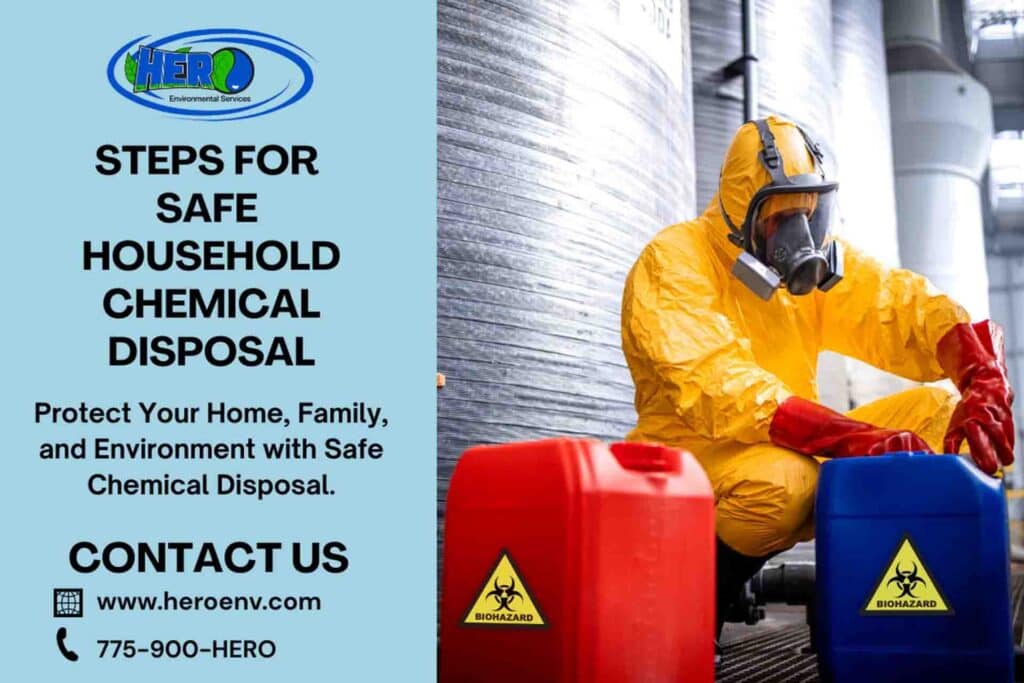
From cleaning products and pesticides to paint thinners and car fluids, almost every home has some type of chemicals stored in cabinets, garages, or storage rooms. While these products are useful, they can pose serious health and environmental risks when thrown away improperly.
Did you know that the average household in the U.S. generates 20 pounds of hazardous waste per year?
Pouring household chemical wastes down the drain, tossing them in the trash, or leaving them open in the yard can contaminate soil, pollute water supplies, release toxic fumes, or even cause fires.
But the good news is that safe chemical disposal isn’t complicated once you know the right steps. Let’s go through them together!
Common Household Chemicals That Need Special Disposal
Many common household items contain chemicals that shouldn’t be thrown in the trash, dumped into landfills, or poured down the drain. You might use them for cleaning, repairs, gardening, or hobbies, but when they’re no longer needed, they must be handled carefully.
| Category | Examples |
| Paint & Home Improvement Products | Leftover latex paint, oil-based paint, stains, thinners, and wood preservatives. All contain chemicals that can ignite or pollute soil if discarded carelessly. |
| Car & Garage Fluids | Motor oil, transmission fluid, brake fluid, and old gasoline are highly flammable and can contaminate groundwater even in small amounts. |
| Garden & Pest-Control Chemicals | Weed killers, insect sprays, ant bait, and rodent control products contain toxins that can harm pets, wildlife, and water sources. |
| Heavy-Duty Cleaners | Drain cleaners, oven cleaners, rust removers, and bleach-ammonia products contain corrosive chemicals that damage pipes and release harmful fumes. |
| Household Batteries | From button cells to rechargeable lithium packs, batteries contain metals and chemicals that can leak and react when crushed in regular trash. |
| Pool & Spa Products | Chlorine tablets, shock treatments, and water balancing chemicals can become reactive or explosive when stored or disposed of incorrectly. |
| Pressurized Containers | Full or partially full aerosol cans can explode in compactors or landfills due to pressure buildup. |
All these items can become harmful to people and the environment if they’re disposed of carelessly.
What Makes a Household Chemical Hazardous?
A household product becomes hazardous when the chemicals inside it can harm your health, home, or the environment if used or disposed of incorrectly.
The easiest way to identify them is by reading the label. If you see words like flammable, corrosive, toxic, explosive, or reactive, the product contains chemicals that require special care.
| Need a Household Hazardous Waste Disposal Facility in Reno? Call Now! |
How to Handle and Store Chemicals Safely Before Disposal?
1. Never Store Chemicals in Food or Drink Containers
People often pour leftover cleaners into old bottles or jars. This is a major mistake that leads to accidental poisonings.
2. Keep Them Away From Heat and Sunlight
High temperatures can expand, leak, or ignite flammable chemicals. Always keep chemical substances in cool and dark places.
3. Store Incompatible Products Separately
- Bleach and ammonia stored together can release toxic gas if they leak or mix.
- Fertilizers kept near fuel or heat sources can increase the risk of fire.
- Acids and certain cleaners can react dangerously, producing fumes or heat that can cause burns or explosions.
Note - Always keep chemical items in their original containers with labels.
Steps for Safe Household Chemical Disposal
1. Check Labels for Disposal Instructions
Manufacturers often mention on the labels a few instructions about handling and disposing of the chemicals. You should never ignore them -
- “Do not pour down the drain.”
- “Do not throw in trash.”
- “Dispose of at a hazardous waste facility.”
2. Seal Containers Properly
- Make sure lids are tight, containers aren’t leaking
- Use bags for extra protection
- Never try to empty the product just to discard the container.
3. Keep Liquids and Powders Separate
Never mix chemicals when transporting them, even accidentally. Liquids and powders should be stored in separate bags or boxes, kept upright, and cushioned so they don’t spill or react with each other.
4. Take Them to a Local Household Hazardous Waste (HHW) Facility
Most cities, including Reno, have designated Household Hazardous Waste disposal centers where you can safely bring items like paints, used motor oil, household chemicals, pesticides, solvents, batteries, and even electronic waste.
These facilities neutralize, recycle, or properly dispose of hazardous materials without harming people or the environment.
And if you’re in Reno, Nevada, HERO Environmental Services is a trusted local partner that can guide you on what needs special handling and help you manage chemical disposal safely.
Commonly Asked Questions About Household Chemical Disposal
How can I reduce hazardous waste at home?
You can start small and still make a big difference.
- Buy only what you will use.
- Share leftover paint or cleaners with neighbors.
- Choose natural alternatives when possible.
- Store chemicals correctly to extend shelf life.
- Use refillable products to cut down waste.
Are expired chemicals more dangerous?
Yes, they can be. Many chemicals become unstable as they age. Paint thinners, old pesticides, pool chemicals, and even household cleaners can react differently after crossing the expiry limit. They may release fumes, lose effectiveness, or become more corrosive.
If you find any expired products, it’s best to dispose of them through a certified professional like HERO Environmental Services in Reno, NV.
What should I do if a chemical container is leaking or damaged?
Leaking containers can be dangerous.
- Put the container inside a larger, sturdy plastic bucket
- Add an absorbent material like cat litter or sand around it
- Keep it away from heat, sunlight, and pets
- Don’t try to transfer chemicals unless absolutely necessary
Once it’s secured, you can bring it to a Household Hazardous Waste (HHW) facility or call HERO Environmental Services in Reno if you prefer professional handling for safer transportation.
Takeaway
Safe household chemical disposal isn’t difficult. It just requires a few careful steps. When you know which products are hazardous, store them correctly, and take them to approved disposal facilities, you’re protecting your family, your home, and the environment.
And by using fewer hazardous products in the first place, you naturally create a cleaner, safer home with less waste.
Dispose of Hazardous Chemicals the Right Way with HERO Environmental Services
If you live in Reno or nearby areas and are looking for safe chemical disposal, we at Hero Environmental Services are here to help.
Our trained team has years of experience handling household hazardous waste safely and in full compliance with local and state regulations.
We understand that you might need our services anytime; that’s why we are available 24/7 to keep you and your home protected.
Call us anytime at 775-900-HERO and let us help you keep your home and community safe.